











Beyond Profile Pictures: Why NFTs Are the Biggest Story in Crypto

NFTs Are Dead
Let’s get this out of the way: the NFT market, as most people knew it, is dead. Volumes have collapsed since 2021. The floor prices of nearly every collection have cratered. The speculative frenzy that saw cartoon apes sell for millions is over, and nobody outside of a small circle of true believers is talking about NFTs anymore.
Good. Because the speculative circus was always a distraction from what NFTs actually are — a technology for proving ownership of unique things. And unique things, it turns out, are the most valuable asset you own. But before we get to that, let’s talk about the stupid profile pictures.
The Stupid Profile Pictures That Ended Up in Museums
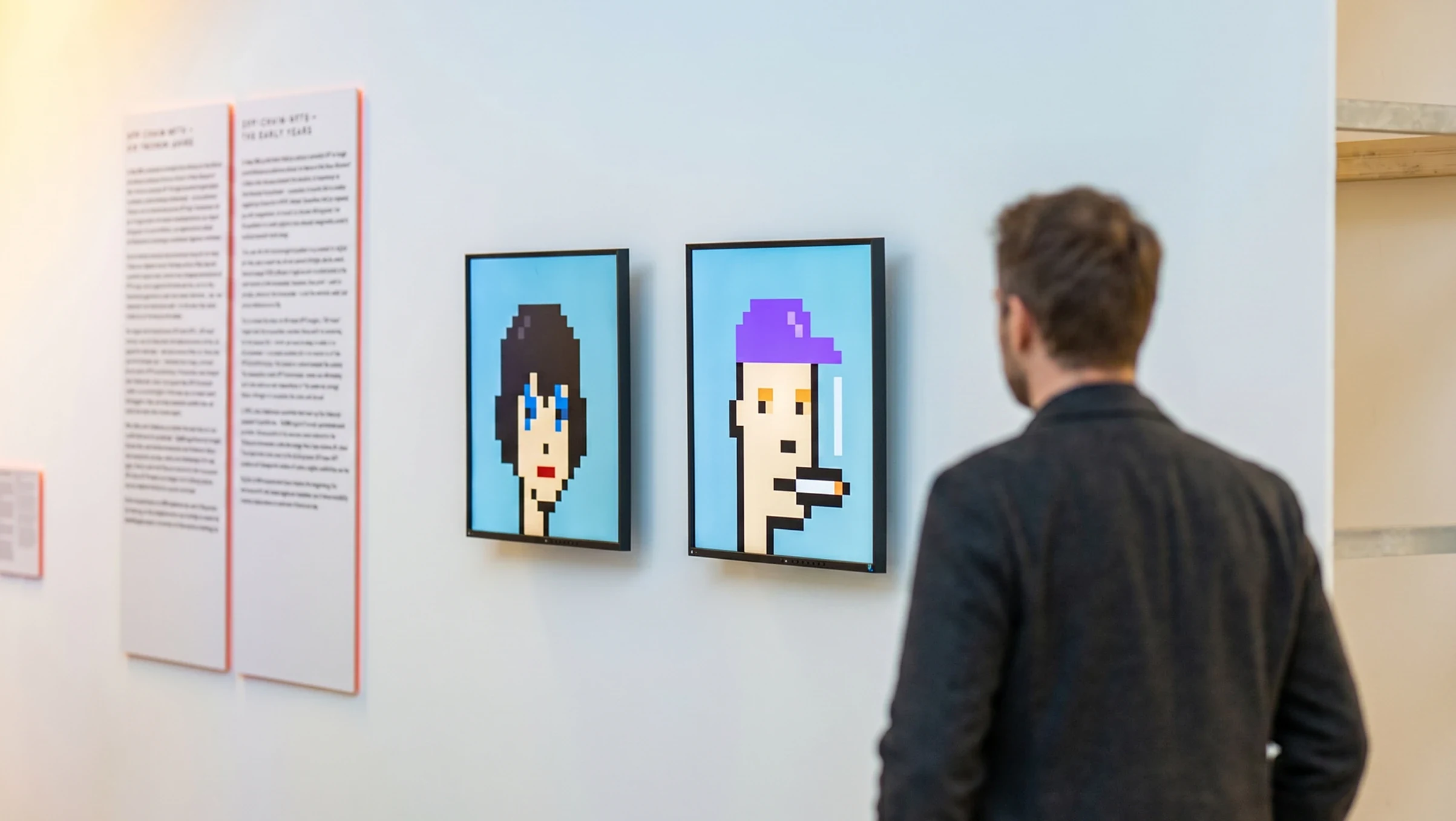
CryptoPunks were created in 2017 by Larva Labs — ten thousand pixelated characters, generated algorithmically, each one unique. They became the original NFT collection and, for a while, a symbol of everything people found absurd about crypto.
Except that in December 2025, the Museum of Modern Art in New York — MoMA, the institution that houses Picasso, Warhol, and Pollock — added eight CryptoPunks to its permanent collection alongside the most important art of the twentieth century. The Institute of Contemporary Art in Miami had already placed CryptoPunks in its collection years earlier, making it the first major museum to collect an NFT.
In 2025, the Infinite Node Foundation acquired the entire CryptoPunks intellectual property from Yuga Labs and announced a twelve-thousand-square-foot permanent exhibition space in Palo Alto dedicated to displaying all ten thousand Punks. The foundation’s explicit mission is to embed CryptoPunks in leading art institutions worldwide.
So the “stupid profile pictures” are now in the same permanent collections as Starry Night and Warhol’s Soup Cans. The art world decided they matter. Whether you agree or not is beside the point — the cultural verdict is in.
Both founders of Bron are CryptoPunk holders, and as a tribute to the collection that started it all, anyone who keeps their CryptoPunk in their Bron wallet gets Core membership with no Qualifying Balance — or, if they already have a tier, a one-tier upgrade: Core members move up to Premium, and Premium members to Private. Real utility from a real piece of digital history.
Your Car Is an NFT. Your house, too
Shifting to real life examples. Every car has a VIN number which is unique - it identifies your specific car out of the cars of the same make and model. That, by definition, makes your car a non-fungible asset, hence, it can be represented as an NFT.
In 2024, the California Department of Motor Vehicles digitized forty-two million car titles on a permissioned Avalanche subnet. The promise is that the physical pink slip will be replaced by a digital token. Vehicle owners will be able to claim their digital title through a mobile app, and the time to transfer a car title will drop from days to minutes.
The same logic applies to real estate, except the stakes are higher. A house is the most valuable thing most people will ever own, and the process of buying, selling, and transferring property is one of the most bureaucratic ordeals in modern life. Title searches, escrow accounts, notarizations, weeks of waiting — all to answer a question that a blockchain answers instantly: who owns this?
In early 2025, the Dubai Land Department launched a real estate tokenization platform — the first of its kind in the Middle East. By May 2025, nearly four hundred million dollars’ worth of property had been tokenized in a single month, roughly one in every six property deals in the city. The government has set a target of tokenizing sixteen billion dollars in real estate by 2033.
Georgia has been running a blockchain-based land registry since 2016 that recorded over a hundred thousand property transactions. In 2025, the Ministry of Justice signed a memorandum with Hedera to explore moving the entire national land registry on-chain and tokenizing real estate at the national level.
Art That Everyone Can See and Some Can Own
Art and collectibles are, by their nature, unique — which makes them a natural fit for NFTs. But the most compelling idea goes beyond digital art. Consider this: every painting in every museum is a unique object with a market value. What if that object were tokenized? The owner of the NFT would own the painting or a sculpture. The painting stays on the wall — the public still benefits from seeing it. But the financial interest in that work becomes tradable.
The owner benefits from price appreciation, while the museum earns a huge amount of money on the original sale (without any downside to the public as the object is still exposed) and the royalties on every secondary sale. This revenue can be used to acquire more works, fund exhibitions, or scholarships and grants, and helps to keep the doors open. Plus the collector gains assets that are displayed in top museums. It is a model where everyone wins, and it only works because NFTs can represent verifiable, unique ownership on a transparent public ledger.
Built for What is Coming
Transforming a real-world asset like a car, house, or collectible into an NFT matters for three reasons. First, transparency — ownership is visible and verifiable on-chain, giving governments and regulators a clearer picture than any paper registry ever could. That alone should be reason enough to pursue it. Second, cost — tokenization dramatically reduces the transaction costs of dealing with real-world assets, increasing economic efficiency and lowering the fees that consumers have to pay. Third, capital — once these NFTs are properly linked to the underlying assets, they can be used as collateral, and loans can be obtained through DeFi in seconds rather than through banks in weeks (or never).
This may sound unattainably futuristic. And it will not happen overnight. But the direction is clear, and a number of things need to be in place before it becomes real. First, these assets need to be stored securely — not in a browser extension or a hot wallet, but through infrastructure built for things that actually matter. Second, if these assets are ever used in DeFi to borrow against, we need to make sure that a hacked protocol does not leave someone without ownership of their car or house. These are serious problems.
At Bron, we know how to solve them. MPC architecture solves the storage part. Institutions rely on this technology to secure billions of dollars of their assets — the same architecture is available to you as well. Bron Lock, launching in Bron this year, solves the hacking part.
We are building for the future of NFTs with exactly this end-goal in mind — and that goal is substantially larger than profile pictures. When NFTs represent car titles, property deeds, and museum-grade art, the way you store them matters enormously. Losing a JPEG of a cartoon ape is unfortunate. Losing the token that proves you own your house is catastrophic.
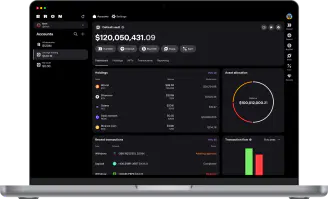
Bron provides institutional-grade, non-custodial storage secured by MPC architecture where no single party — including Bron — can access your assets. Every NFT is displayed beautifully within the wallet because whether it is a CryptoPunk, a tokenized Monet, or the digital title to your car, it deserves proper presentation and… reporting. You do not want to open your wallet and find an NFT missing because some standard is not supported. And when the time comes to transfer it, you want to be certain you don’t make a mistake. We built Bron to make sure you don’t.
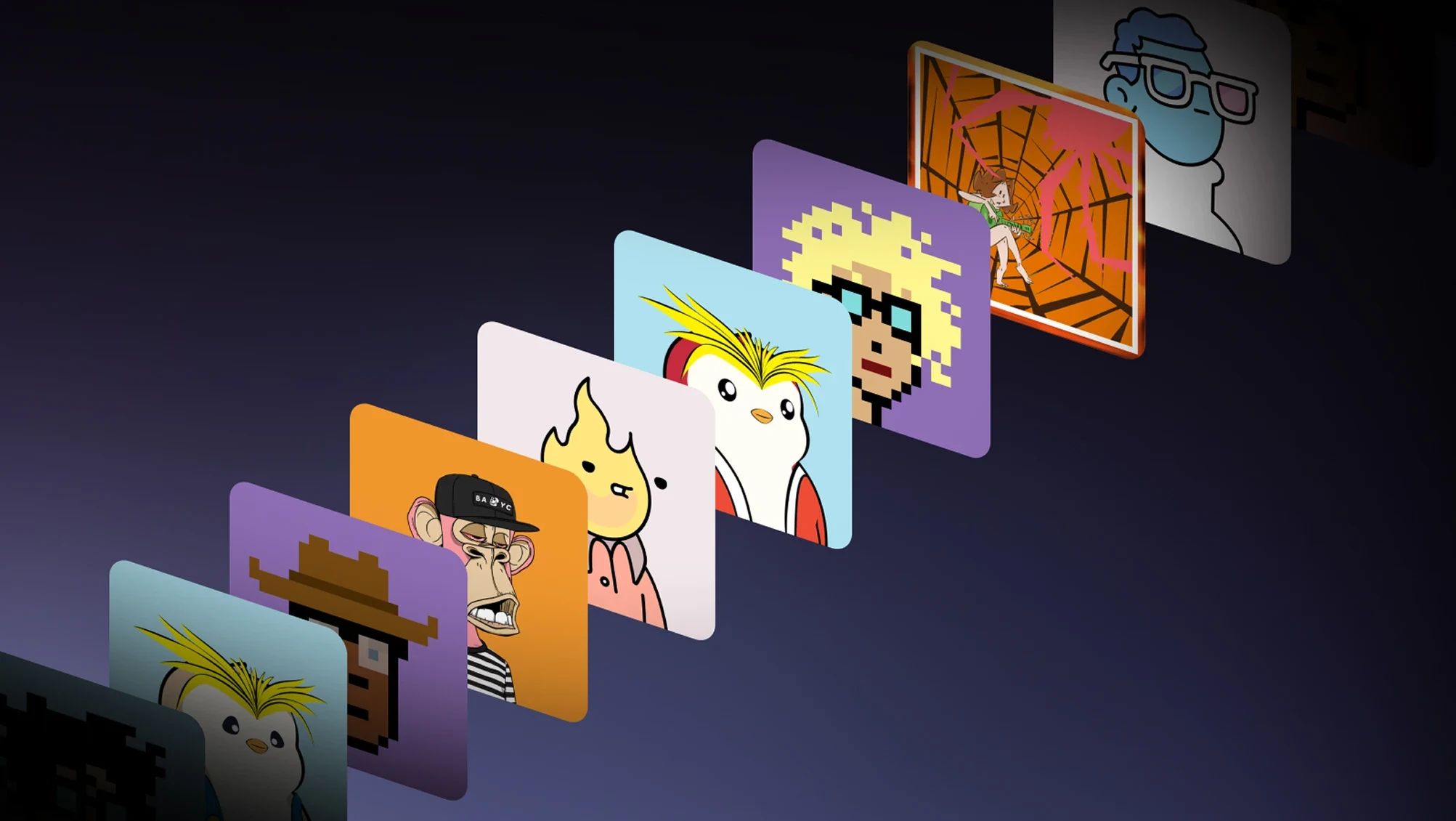
A CryptoPunk, a Bored Ape or a Pudgy Penguin, Bron is a secure self-custody option for the NFTs the user owns today — and the ones that will come matter even more tomorrow.
Disclaimer:
This article is provided for general informational purposes only and does not constitute financial, investment, accounting, tax, or legal advice. Bron is a self-custodial software wallet that provides tools for interacting with blockchain networks and decentralized applications; it does not provide brokerage, advisory, tax, legal, or compliance services.